

Blog
The Starting of Stained-Glass Windows Art
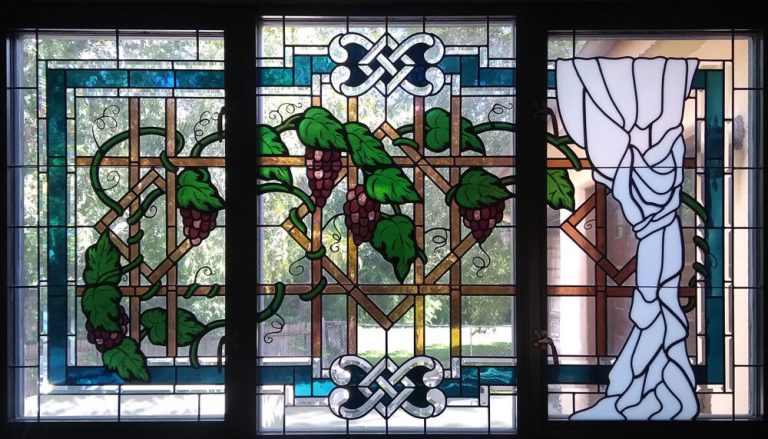
Development
The development of stained glass windows art dates back to the middle Ages. However, it was the 20th century that made a significant contribution to art, particularly in developing new materials for stained glass. One such material is epoxy resin. In addition to these new materials, the artists used traditional painting methods. These techniques are now commonly used in many homes, schools, churches, and other buildings.
Choosing the Material
The following are some tips for choosing the right material for your stained-glass project.
There are several different methods for creating stained glass sheets.
Mouth blown stained glass is made from molten glass, colored by metal oxides. It is then shaped into sheets up to 20 inches in size and is made by a technique known as glassblowing. During this process, the glassblower gathers molten glass on one end of a blowpipe and blows it up into a bottle shape. Then, he cuts the top off the cylinder and slits the cylinder down the side. Afterward, the cylinder is placed in an annealing oven, flattening it into a sheet.
Most stained glass sheets are now machine rolled, as this technique is more cost effective and still provides a beautiful stained glass product.
Who Started This Art?
Glass has been around since the Ancient Egyptians in the form of glass beads. Stained glass in medium we know it as used in windows has been noted as early as 686 AD in Jarrow, England at St. Paul’s Monastery.
Arab architects also developed recipes for colored glass during the 8th century. The Persian chemist Jabir ibn Hayyan wrote about 46 original recipes for colored glass, which was used to decorate mosques and other buildings. The book, Kitab al-Durra al-Maknuna, is considered the earliest complete text on the subject.
In the middle of the 12th century, stained glass reached its apogee. The art form became popular in Europe and became widely popular. The development of Gothic art was spurred by the discovery of vaulted roofs supported by pillars. This allowed Gothic architects to make the most of the space between the pillars and ceilings. In contrast, southern European architects were responsible for blocking the sunlight.
The rise of realism in painting by great renaissance artist lead to the decline of traditional stained glass in the mid 1400’s as the attention needed to be focused on the painted murals instead of the art glass.
The first significant movement in the development of stained glass took place in the United States, where the first work of art was created in 1913 by Josef Albers. He had studied medieval stained-glass in Europe and was heavily influenced by the Arts & Crafts philosophy of Christopher Whall. The creation of hundreds of windows in the US and abroad included the major glazing schemes in the Chapel at Princeton University (1927-9) and other Gothic-style buildings.
In the medieval ages, religious education was very important. The church was the highest authority in society, and following the word of God was crucial to salvation. The use of stained glass was to showcase religious images and highlight the wealth of building owners and patrons. However, stained glass has been incorporated into many modern buildings as a decorative element and for privacy in recent times. It is a great way to enhance the appearance of a building and create a lasting impact.
Stained glass windows are still crafted by hand. The first step is creating a small-scale version of the final design. The craftsperson takes measurements of the window openings and prepares a pattern. The pattern is drawn on paper or cardboard and is the size of the spaces that the glass will fill. There are also several steps involved in creating a stained-glass window. Once the design is decided, the artist will begin a series of trials.
During the 14th century, stained-glass windows were appreciated for their beauty and utility. During this time, colored glass was assembled into window frames with intricate patterns. Stained-glass art reached its peak in Europe between 1150 and 1500, when it was used to create the windows of great cathedrals. During this time, the art of stained glass was highly appreciated by the public and its aesthetics. In this period, the production of stained-glass windows reached a high level.
Final Word
The process of making a stained glass window is complex. The first step is creating a small-scale model of the finished design. The artist will take measurements of the windows and create a pattern for the entire window. The pattern will be the size of the spaces filled with glass. The next step involves assembling the glass into a window. The glass is attached to iron rods or metal frames in many cases.